
Dubai nursery admissions for 2026 are already becoming more competitive as parents plan earlier, compare curriculums more carefully, and pay closer attention to school age eligibility rules. Across communities such as Nad Al Sheba, Oud Al Muteena, Al Mizhar, and Al Barsha, many families are now beginning nursery tours months before the academic year starts.
One major reason is the growing awareness around FS1 and KG age cut-offs in UAE schools. Parents want to avoid delayed admissions later while also ensuring their child is emotionally and socially ready for structured learning. During our review of nursery admission trends across Dubai, we noticed that families are increasingly prioritizing Arabic language exposure, Islamic values, bilingual communication, and smaller nurturing environments during the early years.
For parents searching for an Arabic preschool Dubai families trust or an Islamic nursery Dubai communities recommend, understanding how admissions work in 2026 can help avoid last-minute decisions and waiting list stress.
This guide explains the latest nursery admission trends in Dubai, age requirements, what parents should evaluate before enrolling, and how to prepare for a smooth admission process.
What Parents Should Know
- Many Dubai nurseries have started accepting 2026 admission inquiries earlier than previous years.
- Parents are increasingly prioritizing Arabic-first and bilingual learning environments before FS1 and KG transitions.
- Nursery age eligibility matters because UAE school cut-off dates affect future admissions.
- Areas such as Nad Al Sheba, Oud Al Muteena, Al Barsha, and Al Mizhar continue to see strong nursery demand from growing family communities.
- Touring the nursery in person remains one of the most reliable ways to assess teaching style, child engagement, and classroom environment.
Why Dubai Nursery Admissions Are Becoming More Competitive
Dubai’s early education sector continues to grow because more families now view nursery education as preparation for long-term academic and social development rather than simple childcare. Parents are researching curriculum quality, teacher interaction, emotional development, and language immersion much earlier than before.
According to UAE education updates and school advisory platforms, many parents now begin nursery inquiries 6–12 months before intended enrollment dates, especially for communities with strong family populations such as Al Barsha, Nad Al Sheba, Al Mizhar, and Oud Al Muteena.
During our review of Dubai nursery trends, we observed three recurring priorities among parents:
- Arabic language development from an early age
- Safe, purpose-built learning environments
- Easier transition into FS1, KG1, and primary school
This shift explains why Arabic preschool Dubai searches and Islamic nursery Dubai searches have steadily increased across local education platforms and parent communities.
What Are the New UAE Nursery and School Age Rules for 2026?
The UAE continues to maintain structured age eligibility guidelines for early years admissions, particularly for FS1 and KG programs. Parents now pay closer attention to birth-date cut-offs because they directly affect when a child can transition into formal schooling.
In practical terms, many Dubai families are enrolling children into nursery programs earlier so they can develop:
- Social confidence
- Language familiarity
- Group learning habits
- Emotional independence
before entering FS1 or KG1.
For families considering a preschool in Nad Al Sheba Dubai or a nursery in Oud Al Muteena, understanding these timelines early helps avoid delayed school entry later.
Parents should always confirm:
- Child age eligibility
- Mid-year admission options
- Waiting list policies
- Transition support into FS1/KG
directly with the nursery and future school.
Why Are Parents Choosing Arabic and Islamic Nurseries in Dubai?
Many families now prefer Arabic and Islamic nurseries because they want children to develop cultural confidence alongside academic readiness. Rather than treating Arabic as a separate subject, parents increasingly prefer immersive environments where children hear and use the language naturally throughout the day.
At Alif Ya Nursery, the curriculum combines an Arabic-first environment with the internationally recognized Creative Curriculum approach. The nursery integrates Arabic language, Emirati culture, play-based learning, storytelling, and values-based education into daily classroom experiences.
Families searching for:
- Arabic preschool Al Barsha
- Arabic preschool Al Mizhar
- Islamic nursery Al Mizhar 1
- Arabian nursery Nad Al Sheba
often look for a balance between:
- modern early education methods
- Arabic identity
- emotional development
- English readiness
- Islamic values
During our analysis of nursery programs across Dubai, we noticed that parents consistently valued environments where children could build confidence in both Arabic communication and social interaction before primary school.
What Should Parents Check Before Applying to a Nursery in Dubai?
The right nursery should support emotional security, communication skills, creativity, and early independence — not just academics. Parents should evaluate the environment carefully during tours rather than relying only on online reviews.
Classroom Environment
Children in early years programs learn best in calm, engaging spaces designed around movement, sensory learning, and exploration.
When visiting a nursery, parents should check:
- Natural lighting
- Indoor and outdoor play zones
- Child-safe layouts
- Hygiene practices
- Classroom interaction quality
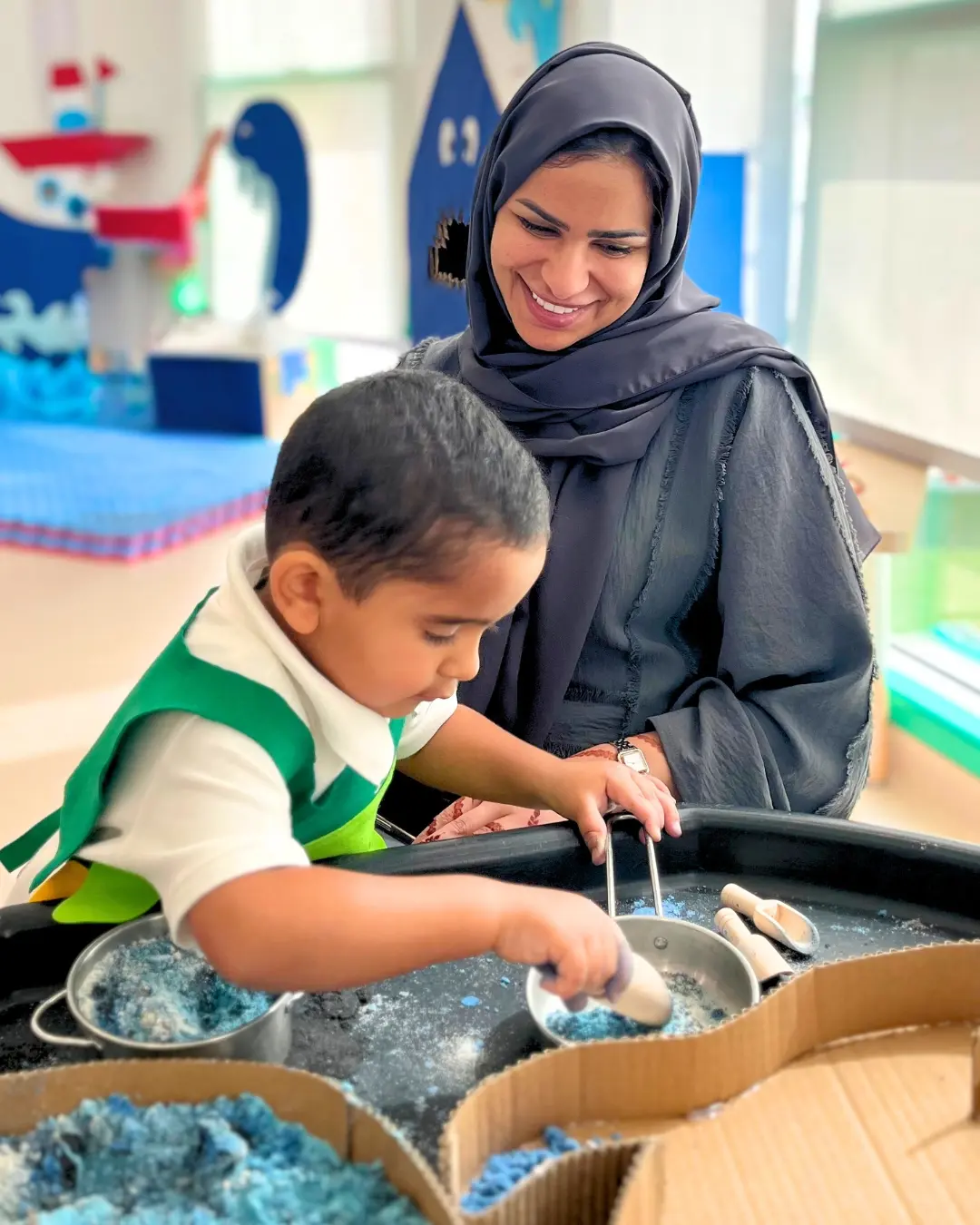
At Alif Ya Nursery branches, classrooms are purpose-built with indoor and outdoor learning spaces, sensory areas, and CCTV-monitored environments.
Curriculum Approach
Play-based learning remains one of the most widely recommended early childhood approaches because it supports cognitive, emotional, language, and motor development simultaneously.
The Creative Curriculum model used at Alif Ya Nursery focuses on:
- child-led exploration
- project-based learning
- social-emotional development
- literacy and numeracy foundations
- guided discovery through play
Language Exposure
For parents seeking an Arabic preschool Dubai families recommend, daily language immersion matters more than occasional Arabic classes.
At Alif Ya Nursery:
- Toddlers experience Arabic-focused communication early
- English is gradually introduced later
- Arabic remains integrated through stories, songs, roleplay, and classroom interaction
This gradual bilingual exposure helps many children transition more comfortably into future schooling environments.
Which Dubai Areas Are Families Searching Most for Nursery Admissions?
Several family-oriented communities in Dubai continue to experience strong demand for nursery admissions due to residential growth and young family populations.
Preschool in Nad Al Sheba
Families in Nad Al Sheba often prioritize quieter residential surroundings, villa communities, and easy access to nearby schools. Many parents also prefer nurseries with outdoor activity spaces and structured early learning programs.
Nursery in Oud Al Muteena
Parents searching for a nursery in Oud Al Muteena usually look for nearby Arabic-first learning environments that reduce long commute times for younger children.
The Al Mizhar 4 branch of Alif Ya Nursery serves families from:
- Oud Al Muteena
- Al Nahda
- Al Qusais
- Al Twar
- Al Mizhar communities
Al Barsha Nursery Demand
Al Barsha continues to attract families seeking bilingual nursery options because of its growing residential communities and central connectivity across Dubai.
Parents searching for toddler classes Al Barsha or Arabic preschool Al Barsha often compare:
- curriculum style
- teacher interaction
- class size
- language environment
- school readiness programs
Al Mizhar and Al Mizhar 4
Searches related to:
- toddler classes Al Mizhar 1
- Al Mizhar 4 toddler nursery
- kids school Al Mizhar 4
- top preschool Al Mizhar 4
have increased because many families prefer community-based nurseries close to home and parks.
The Al Mizhar locations also appeal to parents seeking calmer residential environments for younger children.
Nursery Comparison Checklist for Parents
| What Parents Compare | Why It Matters |
|---|---|
| Arabic language exposure | Builds familiarity and communication confidence |
| Teacher qualifications | Supports emotional and academic development |
| Play-based curriculum | Encourages curiosity and social learning |
| Safety protocols | Important for younger age groups |
| Parent communication | Helps families stay involved daily |
| Indoor and outdoor activities | Supports physical and sensory development |
| Location convenience | Reduces stressful daily commutes |
| Transition support | Helps children prepare for FS1/KG |
| Class environment | Influences confidence and engagement |
| Cultural integration | Strengthens identity and belonging |
Parents seeking an Islamic nursery Dubai families trust often prioritize cultural alignment and communication quality equally alongside academics.
Common Mistakes Parents Make During Nursery Admissions
Waiting Too Long to Apply
Some families begin applications only a few weeks before the academic year starts, which can limit availability in preferred locations.
Choosing Only Based on Distance
Convenience matters, but classroom interaction, teaching quality, and emotional support are equally important for toddlers and preschoolers.
Ignoring Language Environment
Parents sometimes assume all bilingual nurseries offer the same Arabic exposure. In reality, daily immersion levels can vary significantly.
Skipping the Nursery Tour
Photos rarely show how children interact with teachers or how classrooms feel during active learning sessions.
During nursery visits, parents should observe:
- teacher-child communication
- child engagement
- emotional atmosphere
- cleanliness
- transition handling
What Should Parents Expect During the Admission Process?
Most Dubai nurseries now follow a structured admission process designed to understand both child readiness and family expectations.
Parents are usually asked to:
- Submit an inquiry or tour request
- Visit the nursery
- Share child age and development details
- Complete registration forms
- Submit identification and vaccination documents
At Alif Ya Nursery Dubai, parents can schedule tours across branches in:
- Nad Al Sheba
- Al Mizhar 1
- Al Mizhar 4
- Al Barsha
Conclusion
Dubai nursery admissions in 2026 are becoming more organized, competitive, and research-driven as parents focus more closely on early childhood development and future school readiness. Families are no longer looking only for supervision – they want nurturing environments that support communication, confidence, creativity, and cultural identity from the earliest years.
For parents exploring an Arabic preschool Dubai families recommend or searching for an Islamic nursery Dubai communities trust, the most important step is visiting the nursery personally and observing how children learn, interact, and feel within the environment.
Starting the admission process early gives families more flexibility, better branch options, and enough time to choose a nursery that genuinely matches their child’s developmental needs.
Frequently Asked Questions
- What is the right age for nursery admission in Dubai?
Most Dubai nurseries accept children from infancy through kindergarten age. Admission eligibility depends on the child’s birth date and the nursery’s program structure.
2. When should parents apply for nursery admission in Dubai?
Many parents begin applications 6–12 months before enrollment. Earlier applications may improve availability in high-demand communities.
3. What documents are usually required for nursery admission?
Most nurseries request Emirates ID copies, passport copies, vaccination records, and passport-size photographs. Some also require completed registration forms.
4. Why are Arabic-first nurseries becoming popular in Dubai?
Many families want children to develop Arabic communication skills naturally during early childhood. Parents also value stronger cultural and Islamic identity development.
5. Is play-based learning effective for toddlers?
Yes. Play-based learning supports language growth, emotional regulation, creativity, and problem-solving through hands-on activities and interaction.
6. What should parents look for during a nursery tour?
Parents should observe classroom interaction, hygiene standards, teacher engagement, safety measures, and how children respond emotionally within the environment.
7. Are bilingual nurseries better for school readiness?
Bilingual exposure can help children adapt to future academic environments more comfortably. Gradual language introduction often supports confidence and communication skills.
8. Which areas in Dubai have strong nursery demand?
Nad Al Sheba, Al Barsha, Al Mizhar, Oud Al Muteena, Mirdif, and nearby villa communities continue to see strong early education demand.
9. What makes Alif Ya Nursery different?
Alif Ya Nursery follows an Arabic-first approach combined with the Creative Curriculum and play-based learning methods adapted around Arabic language and Emirati culture.
10. Does nursery education help children transition into FS1 and KG?
Yes. Nursery programs often help children develop independence, communication skills, routine familiarity, and social confidence before formal schooling.
Author Bio
The Early Childhood Education Editorial Team researches nursery trends, curriculum models, and parent concerns across Dubai’s early learning sector. Our content is reviewed regularly using nursery program research, parent experiences, and UAE education updates to ensure accuracy and relevance.